The Most Memorable Rivalries in Sports and Their Cultural Significance
Sports rivalries have captivated audiences for generations, transcending mere competition to become powerful cultural phenomena. These rivalries often reflect broader social, political, and economic tensions, transforming games into symbolic battles that resonate far beyond the playing field. They unite communities, ignite passions, and foster a sense of belonging that can last a lifetime. In this article, we will explore some of the most memorable sports rivalries from around the world and delve into the profound cultural significance they hold.
The Nature of Sports Rivalries
At their core, sports rivalries are about competition—the thrill of victory and the agony of defeat. Yet, unlike ordinary contests, rivalries are deeply entwined with emotional investment, identity, and history. Fans do not merely support a team; they see their own values, heritage, and pride reflected in their colors and players. This personal connection fuels intense loyalty and sometimes heated interactions, both in stadiums and across communities.
The origins of rivalries vary widely. Some arise from geographic proximity, where neighboring cities or regions compete for dominance, while others stem from historical events, political struggles, or socioeconomic divides. Cultural differences, language, and religion can also play a role, intensifying the stakes of these competitions. Moreover, legendary moments on the field or court often become part of folklore, passed down through generations as symbols of perseverance, betrayal, or triumph.
Iconic Sports Rivalries Around the World
1. The New York Yankees vs. The Boston Red Sox
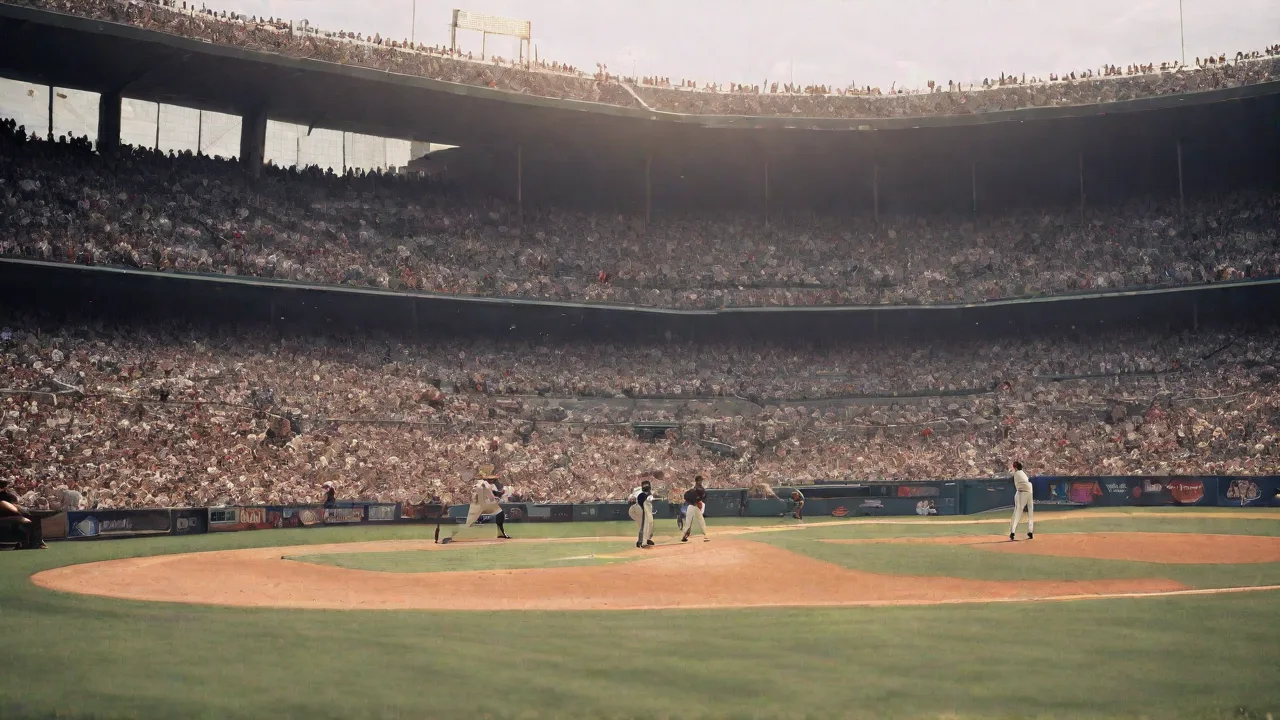
Arguably the most famous rivalry in American sports, the New York Yankees and Boston Red Sox have battled for over a century, creating a narrative rich with drama and passion. The rivalry is steeped in history, marked by legendary players, contentious trades, and unforgettable games.
- The "Curse of the Bambino": This infamous superstition began when the Red Sox sold Babe Ruth (nicknamed "The Bambino") to the Yankees in 1919. Following the sale, Boston experienced an 86-year championship drought, while New York went on to win numerous titles. This "curse" became a defining myth of the rivalry, symbolizing heartbreak and hope for Red Sox fans.
- 2004 American League Championship Series (ALCS): A historic moment occurred when the Red Sox overcame a 3-0 series deficit against the Yankees, becoming the first MLB team to do so. They went on to win their first World Series in 86 years, breaking the curse and intensifying the rivalry's emotional charge.
- Fan Culture and Media: The rivalry extends beyond the field, with passionate fanbases clashing in media, bars, and social settings. It embodies regional pride—New York’s fast-paced, cosmopolitan identity versus Boston’s blue-collar, historic character.
2. Barcelona vs. Real Madrid (El Clásico)
El Clásico, the fierce soccer rivalry between FC Barcelona and Real Madrid, is one of the most-watched sporting events globally. More than a contest between two football clubs, it represents deep-rooted political and cultural conflicts within Spain.
- Political and Regional Divide: Barcelona symbolizes Catalan identity and the region’s push for independence, while Real Madrid is often associated with Spanish nationalism and central government authority. Matches become symbolic battlegrounds for these larger societal tensions.
- Historical Significance: The rivalry intensified during the Spanish Civil War and Franco’s dictatorship, with Real Madrid seen as the regime’s favored club and Barcelona as a symbol of resistance. This historical context adds layers of meaning to each encounter.
- Star Power and Global Influence: The rivalry has featured some of the greatest players in history, including Lionel Messi and Cristiano Ronaldo. Their battles on the pitch have captivated millions, elevating El Clásico to a global spectacle.
- Economic Impact: El Clásico matches generate significant revenue through ticket sales, broadcasting rights, and merchandising, highlighting the commercial power of sports rivalries in the modern era.
3. The Los Angeles Lakers vs. The Boston Celtics
The Lakers-Celtics rivalry is the cornerstone of NBA history, representing a clash of styles, personalities, and eras. This rivalry has shaped the identity of professional basketball and American sports culture as a whole.
- Championship Showdowns: The two franchises have faced off in the NBA Finals 12 times, with many of these series considered some of the greatest in basketball history. These battles showcased intense competition and high stakes, captivating fans worldwide.
- Iconic Players and Personalities: The Magic Johnson-Larry Bird rivalry during the 1980s revitalized the NBA and brought unprecedented attention to the sport. Their contrasting playing styles and backgrounds—Johnson’s flashy playmaking versus Bird’s gritty efficiency—added drama and narrative depth.
- Cultural Influence: The rivalry transcended sports, influencing fashion, music, and entertainment. Both teams' cities—Los Angeles and Boston—have rich cultural histories, and the rivalry symbolizes the East Coast-West Coast dynamic in the United States.
- Legacy and Modern Era: The rivalry has continued into recent decades, with renewed clashes featuring stars like Kobe Bryant and Paul Pierce, ensuring its relevance to new generations of fans.
4. India vs. Pakistan Cricket Rivalry
In the world of cricket, few rivalries carry as much historic and political weight as that between India and Pakistan. Matches between these two nations are charged with emotion, transcending sports to reflect decades of geopolitical tension.
- Historical Context: The rivalry is rooted in the partition of British India in 1947, which led to the creation of India and Pakistan and subsequent conflicts. Cricket matches become symbolic contests reflecting national pride and historical grievances.
- Massive Viewership: India-Pakistan matches draw hundreds of millions of viewers worldwide, often making them some of the most-watched sporting events globally. The passion and intensity surrounding these games are unparalleled.
- Diplomatic Impact: At times, cricket diplomacy has played a role in easing tensions, with matches serving as opportunities for dialogue and cultural exchange between the two countries.
- Player Stories: Cricketers from both nations often become national heroes, with their performances carrying heightened emotional significance.
5. The Superclásico: Boca Juniors vs. River Plate
In Argentina, the football rivalry between Boca Juniors and River Plate—known as the Superclásico—is a defining element of the nation's sporting culture. The rivalry divides Buenos Aires and encapsulates social class distinctions and community identity.
- Social and Class Divisions: Historically, Boca Juniors has been associated with the working class and immigrant communities, while River Plate has been linked to the more affluent sectors. This socio-economic divide adds intensity to their encounters.
- Fan Passion and Atmosphere: Matches are renowned for their electric atmospheres, with colorful displays, chants, and fervent support. The rivalry often extends into the streets, influencing everyday life in Buenos Aires.
- Global Recognition: The Superclásico is regarded as one of the most intense and passionate derbies worldwide, attracting international attention and showcasing South American football culture.
Cultural Significance of Rivalries
Sports rivalries are not just about competition; they are deeply embedded in cultural identities and societal narratives. Their significance extends beyond trophies and records, influencing social cohesion, community identity, and even political movements.
Community Identity and Pride
For many fans, their team represents more than just a sports club; it embodies the values, history, and aspirations of their community. Rivalries reinforce this identity by defining an “us versus them” dynamic, where loyalty to one’s team becomes a badge of honor. In cities where sports teams serve as major cultural institutions, rivalries can unite diverse populations, fostering social bonds and collective pride.
For example, in Glasgow, the rivalry between Celtic and Rangers—known as the Old Firm derby—is intertwined with religious and political identities, dividing communities along Catholic-Protestant lines. While these divisions have sometimes led to conflict, they also highlight how sports can reflect complex social realities.
Rivalries as Mirrors of Societal Issues
Many rivalries reflect broader societal tensions, such as ethnic conflicts, political struggles, or economic disparities. They provide a public stage where these issues can be symbolically played out, sometimes offering an outlet for expression or protest.
In some cases, athletes and teams have used their platforms within rivalries to advocate for social change. For instance, during the apartheid era in South Africa, sporting boycotts and rivalries became tools in the fight against racial segregation. More recently, athletes have leveraged high-profile rivalries to raise awareness on issues like racial justice, gender equality, and human rights.
Social Movements and Symbolism
Rivalries can become powerful symbols within social movements. The alignment of a team or fanbase with particular causes can galvanize support and draw global attention. For example, FC Barcelona’s motto, “Més que un club” (“More than a club”), reflects its role as a symbol of Catalan identity and resistance. The club’s rivalry with Real Madrid thus transcends sport and becomes an expression of political and cultural autonomy.
Similarly, the NBA’s Lakers-Celtics rivalry during the 1980s coincided with broader cultural shifts in the United States, with players like Magic Johnson and Larry Bird becoming icons who transcended sports and influenced American culture and race relations.
The Evolution of Rivalries in the Modern Era
As society evolves, so too do sports rivalries. Globalization, technological advances, and changing demographics have transformed how rivalries are experienced, perceived, and sustained.
Globalization and Media Influence
Thanks to satellite television and the internet, fans across continents can follow their favorite rivalries in real-time. Events like El Clásico or the Super Bowl now attract millions of viewers worldwide, turning local rivalries into global spectacles. Social media platforms allow fans to connect, debate, and celebrate their teams regardless of geographic location, creating virtual communities united by shared passion.
This globalization also brings new challenges, such as commercialization and the risk of diluting local identities. Nonetheless, it has expanded the cultural reach of rivalries, making them a global language of sport and identity.
Changing Demographics and Emerging Rivalries
Population shifts, urbanization, and evolving cultural landscapes influence the nature of sports rivalries. New teams rise in prominence, and fresh rivalries emerge, reflecting changing social dynamics. For instance, in the English Premier League, rivalries such as Manchester United vs. Liverpool have deep historical roots, but new contests like Manchester City vs. Liverpool have gained prominence due to recent competitive success.
Moreover, the diversification of fanbases brings new perspectives and traditions to rivalries, enriching their cultural significance and ensuring their relevance to successive generations.
Technology and Fan Engagement
Modern technology has transformed how fans engage with rivalries. Virtual reality, interactive apps, and social media campaigns enhance the fan experience, allowing supporters to immerse themselves in games and rivalries like never before. This digital engagement has democratized fandom, giving voice to marginalized groups and fostering inclusivity within sports communities.
Conclusion
Sports rivalries are far more than contests for trophies; they are living cultural phenomena that reflect and shape the identities of communities and nations. Through their historical roots, emotional intensity, and social impact, rivalries offer profound insights into human nature and society. Whether fueled by politics, geography, or shared history, these contests unite millions in a shared experience of passion, pride, and competition.
Understanding the cultural significance of sports rivalries enriches our appreciation for sport itself, revealing how it serves as a powerful mirror of the human spirit and the diverse societies we inhabit.