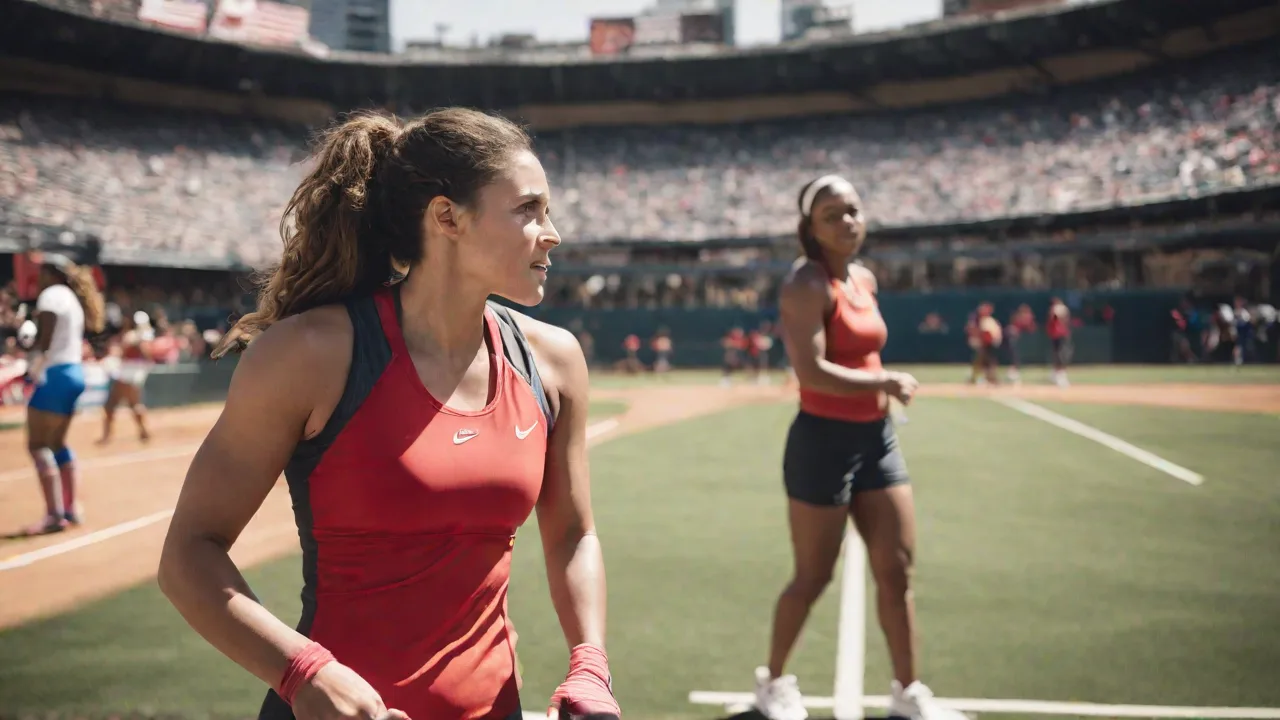
Celebrating Women in Sports: Breaking Barriers and Making History
Throughout history, women have played an integral role in shaping the world of sports, often overcoming immense obstacles to break barriers and challenge deeply ingrained societal norms. Their journeys are stories of resilience, determination, and triumph, reflecting not only athletic excellence but also the ongoing struggle for gender equality both on and off the field. This article delves into the remarkable achievements of women in various sports disciplines, examining their pioneering efforts, ongoing challenges, and the transformative impact they continue to have on the global sports landscape.
The Early Days of Women in Sports
The history of women's participation in sports dates back centuries, with evidence of women engaging in physical activities and competitions in ancient civilizations such as Greece and Egypt. However, formal recognition and organized competition for female athletes were scarce for much of history, largely due to prevailing gender roles that relegated women to domestic spheres and discouraged physical exertion.
It was not until the late 19th and early 20th centuries that significant strides were made toward legitimizing women's involvement in sports. This period saw the emergence of the first women’s sports clubs and the gradual inclusion of female athletes in public sporting events. Despite these advances, women still faced widespread societal disapproval, limited access to training facilities, and exclusion from many competitive arenas.
- 1900 Summer Olympics: Marked the first time women were allowed to compete, with 22 female athletes participating in events such as tennis, golf, and croquet.
- Formation of Women’s Sports Clubs: Organizations like the Ladies' Football Club in England and women’s rowing clubs began forming, providing structured opportunities for training and competition.
- Educational Institutions: Girls’ schools and women’s colleges started incorporating sports into their curricula, promoting physical fitness and competition among young women.
These early efforts laid the groundwork for the future expansion of women’s sports, challenging conventional beliefs about women’s physical capabilities and their place in competitive athletics.
Trailblazers Who Changed the Game
The history of women in sports is punctuated by extraordinary individuals whose achievements transcended their respective disciplines and contributed to broader social change. These trailblazers not only set records but also served as powerful symbols of possibility for generations to come.
Babe Didrikson Zaharias
One of the most versatile athletes in history, Babe Didrikson Zaharias excelled across multiple sports including basketball, track and field, and golf. She burst onto the international scene at the 1932 Los Angeles Olympics, where she won two gold medals and one silver in track and field events. Known for her competitive spirit and relentless drive, Babe later shifted her focus to golf, where she became a founding member of the Ladies Professional Golf Association (LPGA) and won 10 LPGA major championships.
Her success challenged contemporary gender stereotypes and demonstrated that women could compete at the highest levels of multiple sports. Babe's legacy continues to inspire athletes who strive to break boundaries and redefine what is possible.
Billie Jean King
Billie Jean King is renowned not only for her exceptional tennis career but also for her unwavering advocacy for gender equality in sports. With 39 Grand Slam titles to her name, King was a dominant force on the court. However, her most iconic moment came off the court during the 1973 “Battle of the Sexes,” a highly publicized match against former men's champion Bobby Riggs.
King's victory in this match was more than a tennis win; it was a symbolic triumph for women's sports and gender equality. She used her platform to fight for equal prize money, better media coverage, and improved opportunities for female athletes, laying the foundation for future progress in women’s tennis and beyond.
Other Notable Pioneers
- Wilma Rudolph: Overcame childhood polio to become the first American woman to win three gold medals in track and field at a single Olympics (1960 Rome Games).
- Althea Gibson: Broke racial and gender barriers as the first African American woman to win Wimbledon and the U.S. Open in tennis during the 1950s.
- Gertrude Ederle: Became the first woman to swim across the English Channel in 1926, shattering previous records and perceptions of female endurance.
Breaking Barriers in the Modern Era
The late 20th and early 21st centuries have witnessed unprecedented growth in women’s sports, marked by increased visibility, professionalization, and international success. Technological advances, social movements, and policy changes have all contributed to this progress, enabling female athletes to compete professionally and gain recognition worldwide.
Major sporting events such as the Olympics, FIFA Women's World Cup, and professional leagues have become platforms where female athletes showcase their talents to global audiences, inspiring millions and challenging outdated stereotypes.
- U.S. Women's National Soccer Team (USWNT): Dominating the international stage with multiple FIFA World Cup titles (1991, 1999, 2015, 2019) and Olympic gold medals, the USWNT has become a powerful advocate for equal pay and working conditions, leading a high-profile legal battle against the U.S. Soccer Federation.
- Media Representation: Female athletes like Serena Williams, Simone Biles, and Katie Ledecky have become household names, securing lucrative sponsorship deals and commanding substantial media coverage, which has historically favored male sports.
- Professional Leagues: The establishment and growth of professional women's leagues in basketball (WNBA), soccer (NWSL), and hockey (PHF) have provided career opportunities and elevated the standard of competition.
- Technological and Social Media Impact: Platforms like Instagram and Twitter allow female athletes to engage directly with fans, build personal brands, and advocate for social causes, further amplifying their influence.
Challenges Faced by Women in Sports
Despite remarkable progress, female athletes continue to confront significant hurdles that hinder their full participation and recognition in sports. These challenges reflect broader societal issues related to gender inequality, discrimination, and bias.
Pay Disparities
One of the most persistent issues is the wage gap between male and female athletes. Studies consistently show that women in sports earn substantially less than their male counterparts, even when achieving comparable or superior results. For example, the U.S. Women's National Soccer Team’s fight for equal pay highlighted stark disparities in salaries, bonuses, and prize money compared to the men's national team.
These disparities are often justified by arguments about revenue generation and viewership, but critics argue that they perpetuate a cycle where women's sports receive less investment and exposure, limiting their growth potential.
Lack of Media Coverage
Media plays a pivotal role in shaping public perception and driving commercial interest in sports. Unfortunately, women's sports continue to receive significantly less coverage than men's sports. Research indicates that women's sports account for only a small fraction of all sports media content, reducing visibility and limiting sponsorship opportunities.
This lack of exposure reinforces stereotypes that women's sports are less competitive or entertaining, which in turn affects audience engagement and revenue streams.
Gender Stereotypes and Societal Expectations
Female athletes often face stereotypes that question their femininity or athletic abilities. Societal expectations may pressure women to conform to traditional gender roles, discouraging participation in sports considered “masculine” or physically demanding.
Additionally, female athletes can experience discrimination and harassment, both in amateur and professional settings, which can undermine confidence and career longevity.
Limited Access and Resources
In many parts of the world, girls and women still lack access to quality training facilities, coaching, and competitive opportunities. Economic disparities and cultural barriers further restrict participation, particularly in developing countries or conservative societies.
The Importance of Representation
Representation in sports is more than visibility; it is a powerful catalyst for cultural change and empowerment. When girls and young women see athletes who look like them succeeding, it broadens their horizons and encourages them to pursue their own athletic and personal goals.
Diverse Role Models
Diverse representation includes not only gender but also race, ethnicity, body types, and abilities. Athletes like Serena Williams, Megan Rapinoe, and Chloe Kim exemplify how diversity enriches sports and challenges narrow definitions of athleticism and success.
Role models from various backgrounds inspire participation among marginalized communities, helping to foster inclusive environments where everyone feels welcome.
Challenging Stereotypes
Visible female athletes confront and dismantle harmful stereotypes by demonstrating strength, skill, and resilience. Their stories emphasize that athleticism and femininity are not mutually exclusive, expanding societal notions of gender roles.
Encouraging Participation
Studies show that girls who engage in sports experience numerous physical, mental, and social benefits, including higher self-esteem, better academic performance, and stronger leadership skills. Representation encourages participation by showing girls that sports are accessible and rewarding avenues for growth.
Celebrating Women in Sports Today
Today’s landscape of women in sports is vibrant and dynamic, marked by historic achievements and growing support networks. Numerous organizations and initiatives work tirelessly to promote gender equality, provide resources, and celebrate female athletes’ contributions.
- Women’s Sports Foundation: Founded by Billie Jean King in 1974, this organization advocates for equality, funds scholarships, and provides research data to advance the status of women in sports globally.
- National Girls and Women in Sports Day (NGWSD): An annual event celebrated across schools, communities, and sports organizations to promote participation and honor female athletes’ achievements.
- Advocacy and Campaigns: Movements like #CoverTheAthlete and #EqualPlay have raised awareness about media representation and pay equity, pressuring institutions and sponsors to implement change.
- Corporate Sponsorships: Increasingly, major brands are investing in female athletes and women’s sports leagues, recognizing their market potential and social impact.
These efforts contribute to building a more equitable sporting ecosystem where women can thrive professionally and personally.
Looking Ahead: The Future of Women in Sports
The future of women in sports is bright but requires sustained commitment from all stakeholders—including athletes, governing bodies, media, sponsors, and fans—to ensure continued progress. As more women break records, lead teams, and influence policy, the sports world moves closer to true gender parity.
- Policy and Governance: Increasing female representation in sports leadership roles will help address systemic inequalities and promote policies that support women’s participation and welfare.
- Equal Pay and Investment: Advocating for equitable compensation and resource allocation remains critical to leveling the playing field and incentivizing talent retention.
- Grassroots Development: Expanding access to sports programs for girls worldwide will nurture the next generation of athletes and leaders.
- Technological Innovation: Leveraging digital platforms for broadcasting and fan engagement can amplify women’s sports and create new revenue streams.
- Changing Cultural Attitudes: Continued education and advocacy are needed to dismantle stereotypes and promote inclusivity at every level.
By embracing these strategies, the sports community can empower women to make history for generations to come, ensuring that athletic excellence and gender equality go hand in hand.